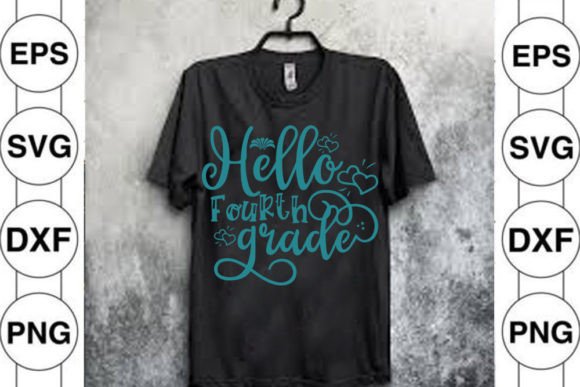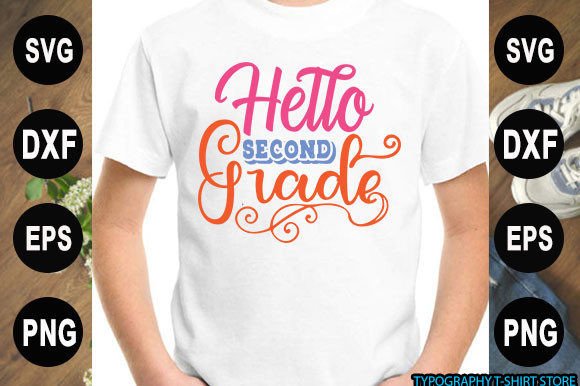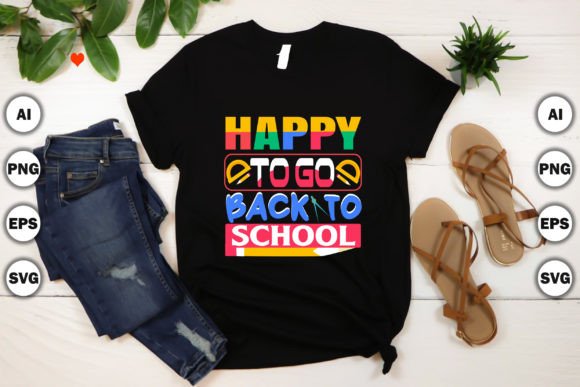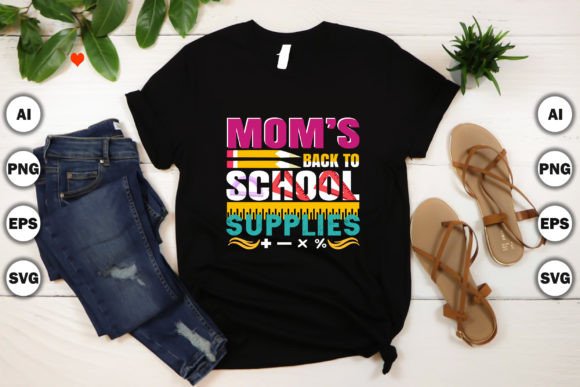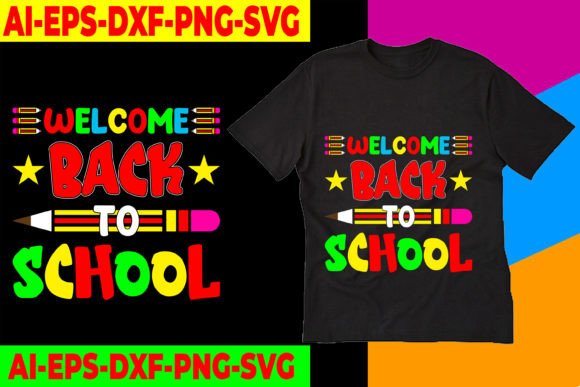
Back to School, Svg Degain, Straight Out: A Modern Approach to Creativity and Productivity
In a world where digital tools shape our daily lives, the concept of "Back to School" has evolved beyond traditional classrooms. It now represents a broader shift toward learning, adaptation, and creative exploration. For professionals, entrepreneurs, and creators, this transition is not just about returning to routines—it's about embracing new workflows, tools, and resources that support innovation. One such resource gaining traction is Svg Degain, Straight Out, a term that encapsulates the intersection of design, functionality, and modern digital practices. Whether you're working with PNG Files, JPG Files, DXF Files, or SVG Files, understanding how these formats fit into your creative process can make all the difference.
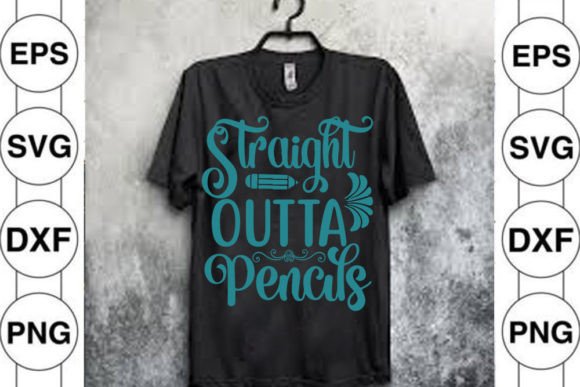
The phrase Straight Outta Pencils might sound like a playful nod to the past, but it reflects a growing trend in the design community: the return to foundational skills paired with cutting-edge technology. This blend of old and new is especially relevant for those who rely on visual assets for branding, marketing, or personal projects. As businesses and individuals seek efficiency without sacrificing quality, the demand for versatile file types like SVGs has surged.
Understanding the Relevance of Back to School, Svg Degain, Straight Out
At its core, Back to School, Svg Degain, Straight Out is about re-evaluating how we approach creativity and productivity. The term itself suggests a direct, no-nonsense attitude—much like the way designers and developers now prioritize clarity and adaptability in their work. With the rise of remote work, freelance opportunities, and digital-first business models, the ability to quickly access and modify design elements has become essential.
For instance, SVG Files are particularly valuable because they allow for scalable graphics that maintain quality at any size. This makes them ideal for web design, mobile interfaces, and even print materials. Meanwhile, PNG Files offer transparency and high-quality images, while JPG Files remain popular for their balance of quality and file size. DXF Files, often used in engineering and architecture, provide precise vector data that can be integrated into various design platforms.
These file types are more than just technical specifications—they are tools that empower users to create, iterate, and share with greater ease. Whether you're designing a logo, developing a website, or preparing marketing materials, having access to the right format can streamline your workflow and reduce costs.
How Trends Shape the Use of Digital Assets
The current digital landscape is marked by a shift toward flexibility and accessibility. As more people work remotely or run online businesses, the need for adaptable design assets has never been higher. This trend aligns with the principles behind Svg Degain, Straight Out, which emphasizes practicality and efficiency.
Consider the rise of SVG Files in web development. Their scalability and small file sizes make them perfect for responsive design, ensuring that visuals look sharp on all devices. This is especially important for businesses aiming to improve user experience and search engine rankings. Similarly, PNG Files are widely used in e-commerce and social media due to their support for transparent backgrounds, allowing for seamless integration into different layouts.
Another factor driving the popularity of these formats is the increasing demand for customization. Users no longer want one-size-fits-all solutions. Instead, they seek assets that can be easily modified to suit specific needs. This is where DXF Files come into play, offering detailed vector data that can be adjusted without losing precision. For professionals in fields like graphic design, manufacturing, or architecture, this level of control is invaluable.
The Evolution of Creative Workflows
Over the years, the way people create and manage digital assets has changed dramatically. In the past, design processes were often siloed, with limited access to high-quality files. Today, the availability of diverse file types has made it easier for individuals and teams to collaborate and innovate.
This evolution is reflected in the growing use of Svg Degain, Straight Out as a guiding principle. It represents a move away from complex, rigid systems toward simpler, more intuitive workflows. For example, many designers now prefer using SVG Files for icons and illustrations because they can be edited in code or design software without compromising quality. This flexibility supports a more agile approach to design, where changes can be made quickly and efficiently.
Moreover, the integration of multiple file types into a single project has become more common. A designer might start with an SVG File for a scalable icon, then export a PNG File for a website, and later convert the same asset into a JPG File for social media. This multi-format strategy ensures that the design remains consistent across different platforms while meeting the unique requirements of each medium.
Practical Implications for Users and Professionals
For professionals, the benefits of using diverse file types extend beyond convenience. They also impact productivity, cost-effectiveness, and overall project success. By choosing the right format for each task, users can avoid unnecessary conversions, reduce errors, and save time.
Take, for example, a marketing team working on a campaign. If they use SVG Files for their logos and graphics, they can ensure consistency across all materials. They can then generate PNG Files for web banners and JPG Files for email newsletters, maintaining visual integrity while optimizing for performance. This approach not only improves the final output but also simplifies the design process.
For entrepreneurs and small businesses, the ability to access and modify design assets can be a game-changer. Instead of relying on expensive custom designs, they can use pre-made templates or stock assets that can be adjusted to fit their brand. This is where DXF Files and other vector-based formats shine, as they allow for easy modifications without the need for extensive redesign.
Even hobbyists and casual creators can benefit from understanding these file types. Whether they're creating digital art, crafting personalized merchandise, or experimenting with graphic design, having the right tools at their disposal can enhance their experience and results.
Recommendations for Maximizing Your Digital Toolkit
To get the most out of Back to School, Svg Degain, Straight Out, it's important to adopt a mindset of continuous learning and experimentation. Here are a few practical recommendations:
- Learn the strengths of each file type: Understand when to use SVG Files for scalability, PNG Files for transparency, and JPG Files for photo-like images.
- Invest in versatile design tools: Choose software that supports multiple file formats and allows for easy editing and exporting.
- Stay updated on industry trends: Follow developments in design and digital workflows to identify new opportunities and efficiencies.
- Collaborate effectively: Share assets in the right format to ensure smooth communication and consistency across teams.
By incorporating these practices, users can unlock the full potential of their digital assets and stay ahead in an ever-changing creative landscape.
Conclusion: Embracing the Future of Design
The concept of Back to School, Svg Degain, Straight Out is more than a catchy phrase—it's a reflection of how design and technology are evolving to meet modern needs. As professionals and creators continue to navigate a digital-first world, the importance of adaptable, high-quality assets will only grow. Whether you're working with SVG Files, PNG Files, or DXF Files, understanding their role in your workflow can lead to better results, greater efficiency, and more creative freedom.
By staying informed, experimenting with new tools, and embracing a practical approach to design, you can make the most of the resources available to you. In a world that values speed, flexibility, and quality, the right digital assets can be the key to success. So, whether you're starting a new project, refining your process, or simply exploring new possibilities, remember that the future of design is in your hands—and it's more accessible than ever.